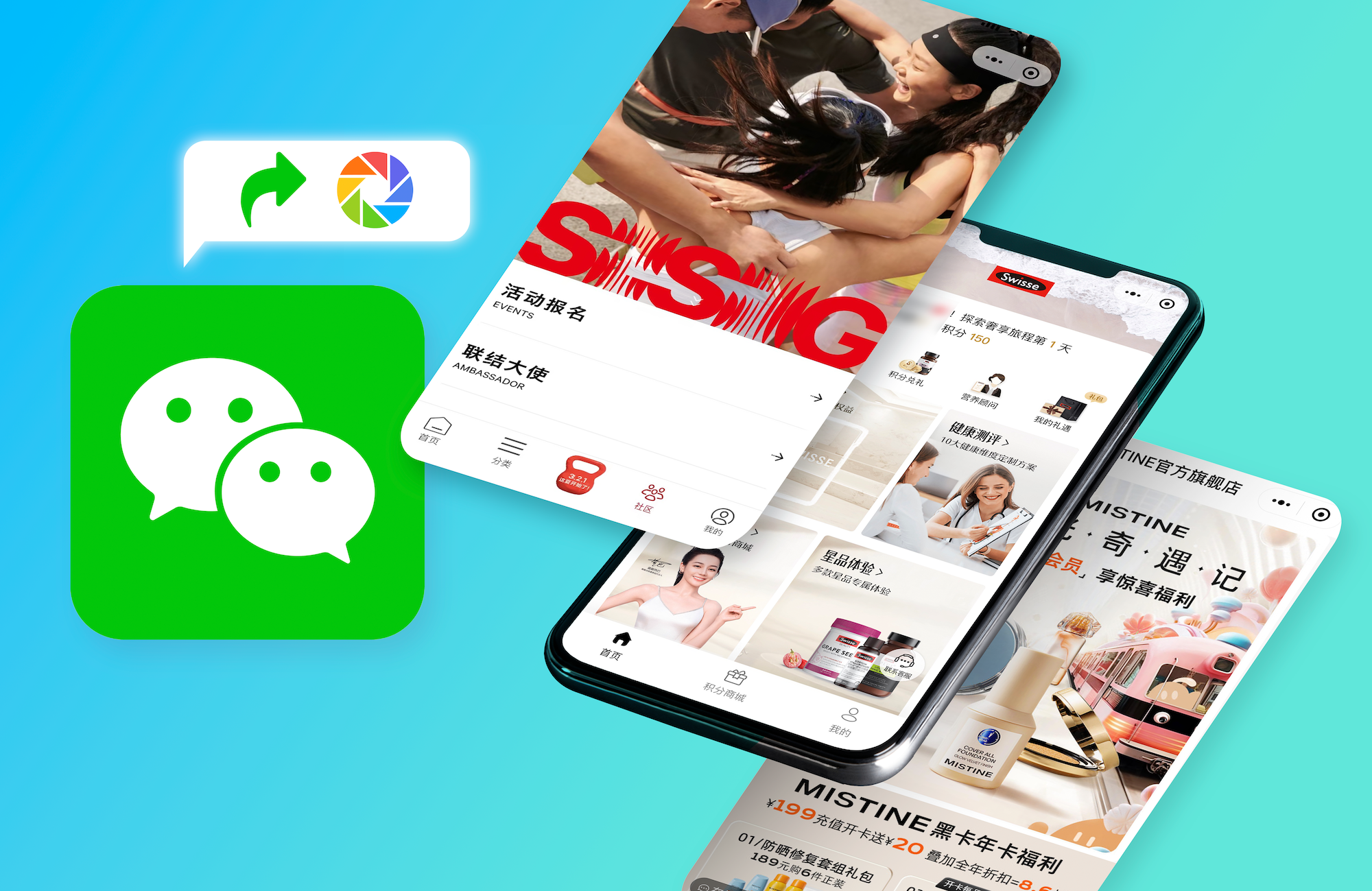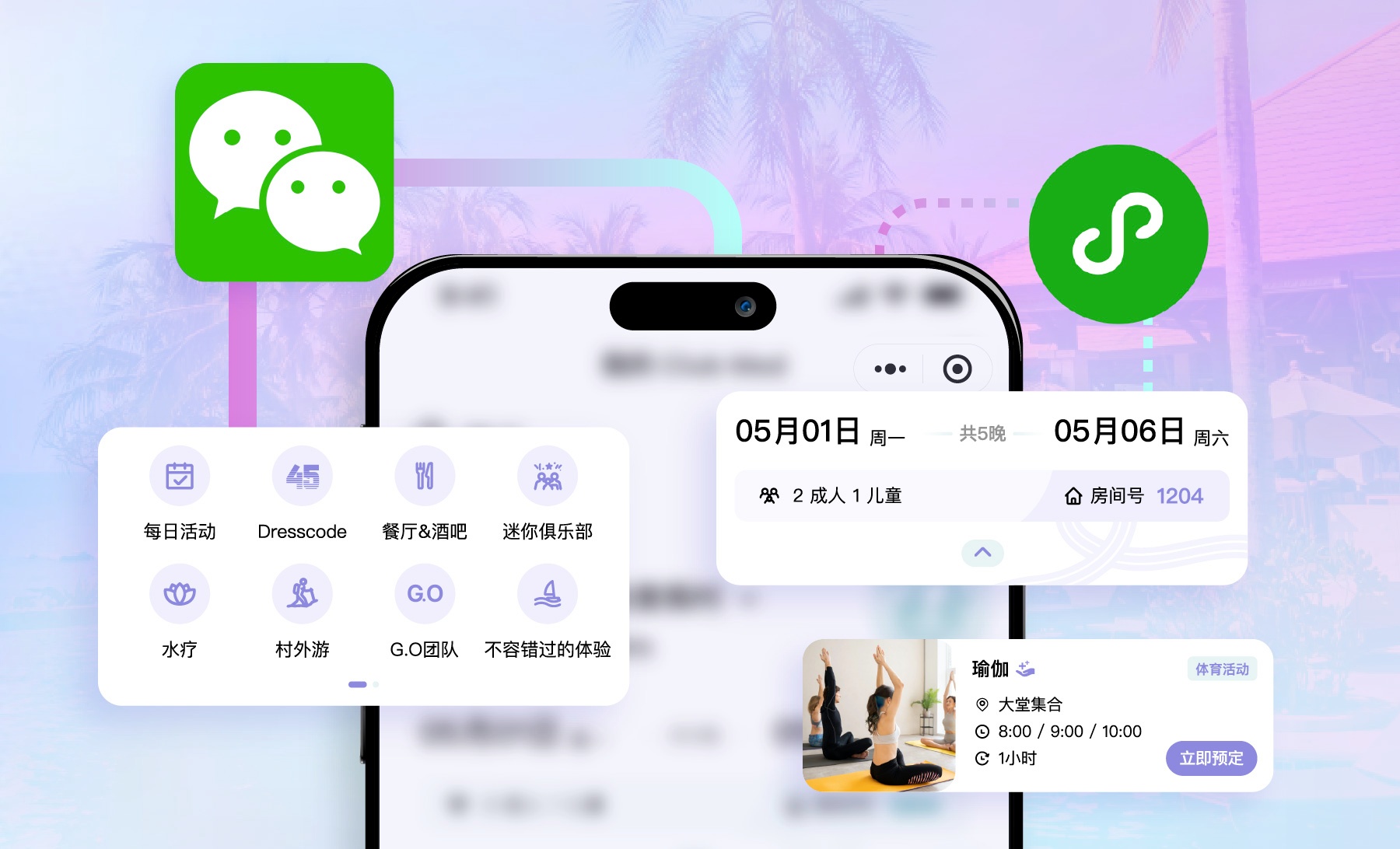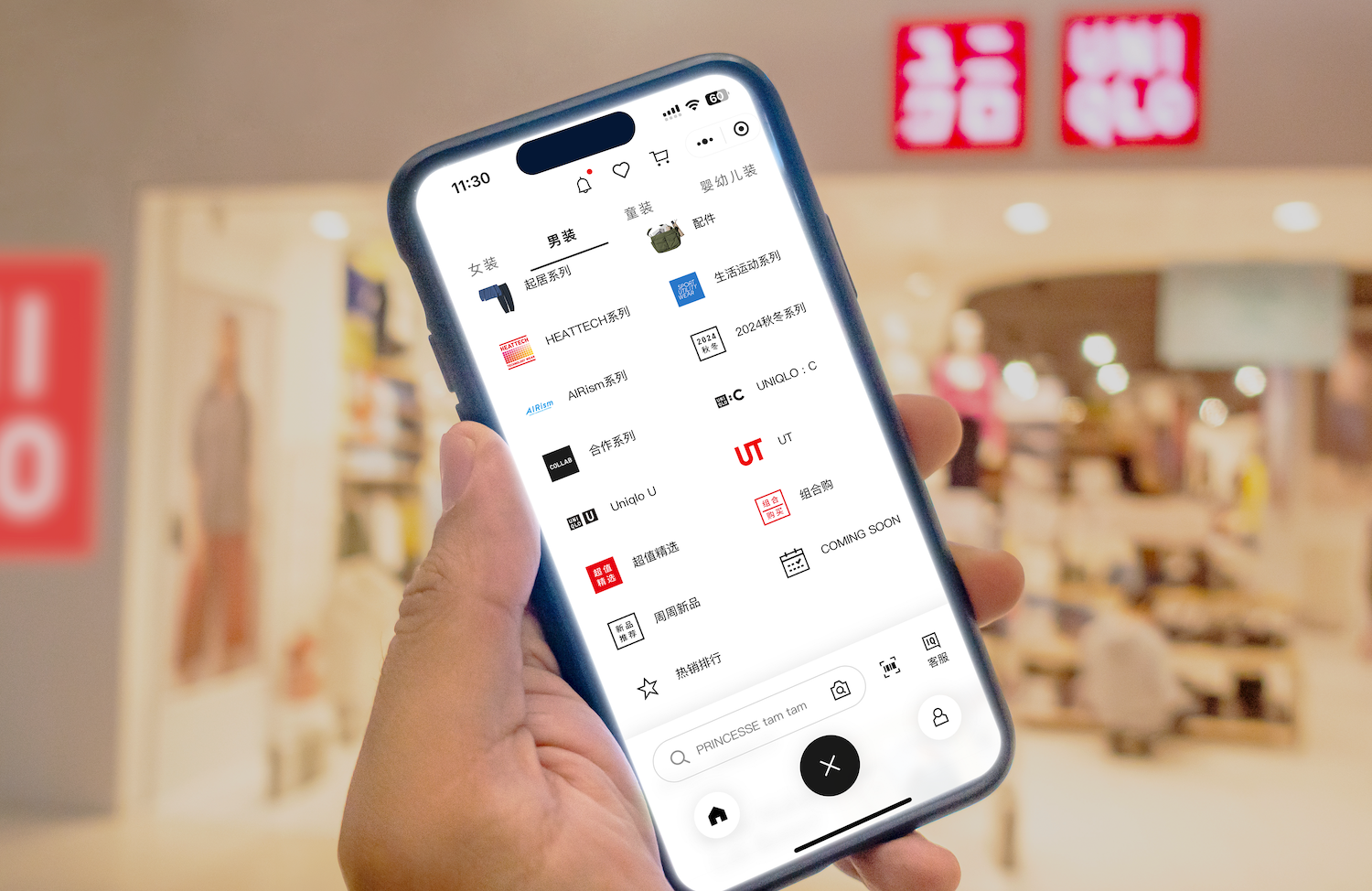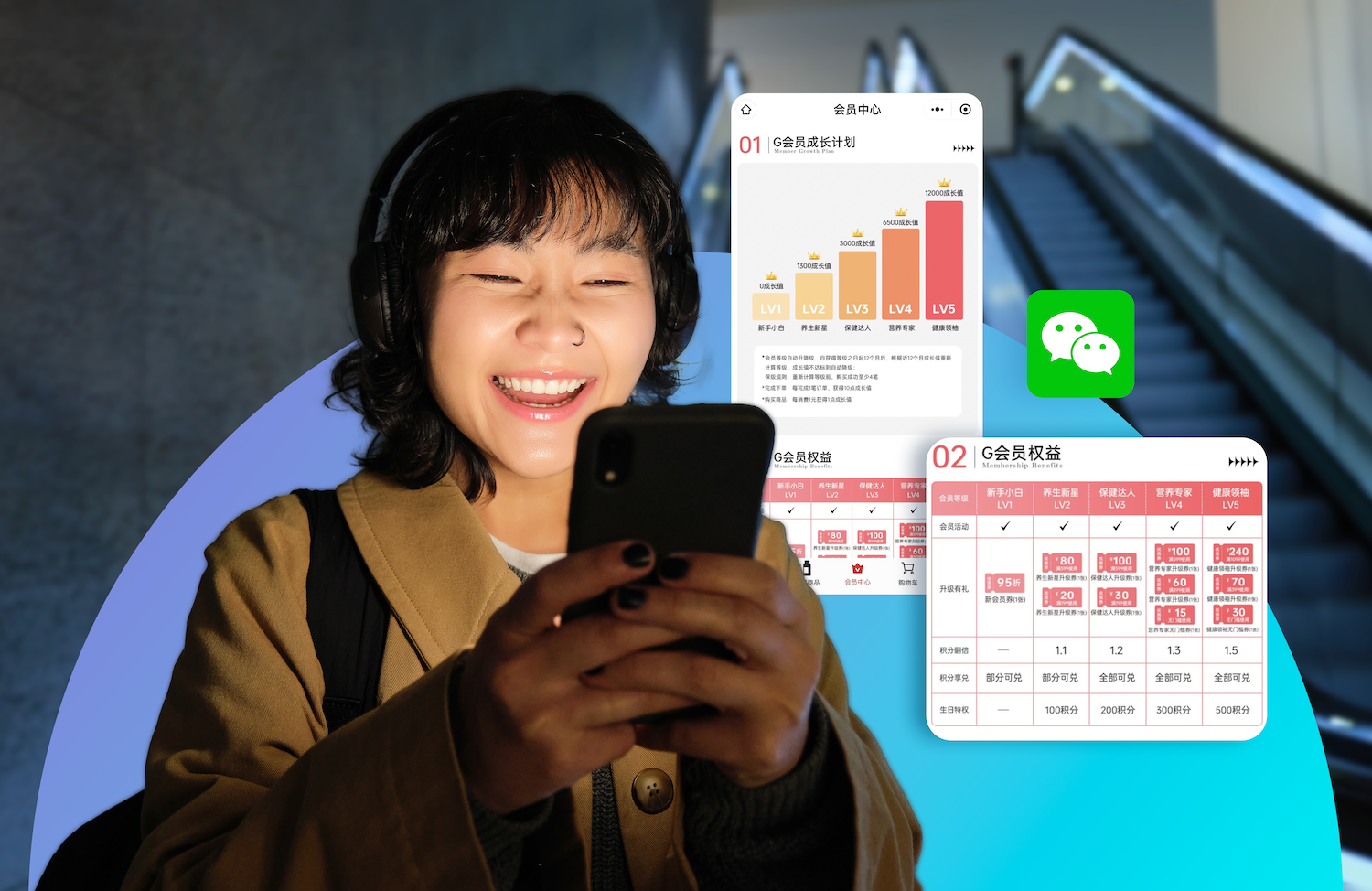




WeChat Mini Programs have become an essential part of China’s digital economy, offering businesses a seamless way to engage with users without leaving the WeChat app. With over 1.4 billion monthly active users, WeChat serves as a central hub for everything from messaging to e-commerce, and Mini Programs are deeply integrated into this ecosystem, providing users with quick access to a variety of services and experiences.
In this article, we’ll explore how Mini Programs are woven into the fabric of China’s day-to-day, why they are critical for businesses looking to connect with Chinese consumers, and the key strategies to effectively drive traffic and engagement. We’ll discuss the touch points where users interact with Mini Programs, traffic management strategies to increase visibility, and retention tactics to maintain long-term user engagement.
TMO offers WeChat Mini Program Development, helping eCommerce brands reach and convert their audiences in China.
For businesses looking to tap into the power of Mini Programs, understanding these elements is key to creating a successful, high-traffic program that resonates with users and drives results.
The Role of Mini Programs in the WeChat Ecosystem
WeChat Mini Programs serve as a digital hub, seamlessly supporting three key phases of user engagement: Discovery, Retention, and Re-engagement. These phases are essential for building meaningful, long-term customer relationships within the WeChat ecosystem.
We previously wrote about the WeChat eCommerce: Is your brand making the most out of it?From H5 Store & Mini-programs, to Service and Subscription Accounts, this is everything you need to know about WeChat's tools for eCommerce.Types of WeChat Official Accounts, and how Mini Programs and H5 Stores compare for eCommerce brands.
Through strategically placed touch points and integrated features, Mini Programs enable brands to connect with users in a way that extends beyond a simple “use-and-leave” interaction.
| Phase | Strategy | Methods |
|---|---|---|
| Discovery | Omnichannel user engagement with Mini Program access | WeChat System (H5, Official Accounts, QR codes) |
| Retention | Retain high-quality leads with pre-set messaging | Mobile Number Authentication, Subscription Messages |
| Re-engagement | User sharing and viral acquisition | Group Chat Sharing, Moments Ads, Official Account Pushes |
1. Discovery
The first phase focuses on introducing your brand and Mini Program to potential users through multiple touch points like QR codes, Official Accounts, and H5 integrations. This ensures users can easily discover and access your Mini Program across various online and offline contexts.

2. Retention
Once users engage with your Mini Program, the next goal is to retain them. Mini Programs support subscription messages, user registration, and authentication components like mobile number verification, which allow businesses to personalize user interactions and ensure they return to the program for repeated engagement.
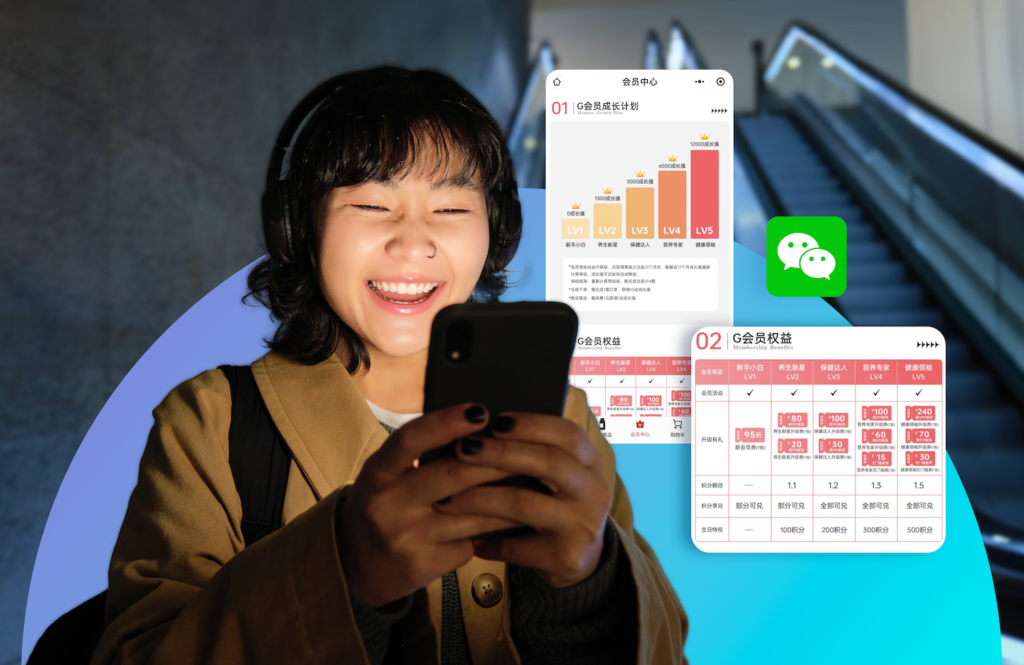
3. Re-engagement
Mini Programs allow businesses to re-engage users through social sharing in group chats or via Moments Ads, promoting viral acquisition and deepening the connection with the brand over time. Push notifications and targeted messaging can be used to re-engage dormant users and keep them interacting with the brand.

As you can see, Mini Programs are far from a one-off interaction. Their value lies in their ability to maintain a continuous relationship with users through multiple touch points, ensuring that brands can stay engaged with their customers long-term and beyond the initial discovery phase.
Now, let's look at the different types of touch points that make these phases of engagement possible.
Key WeChat Mini Program Touch Points
a) System-Level Touch points
System-level touch points are native to WeChat, allowing users to easily access Mini Programs within the app. These entry points are crucial for driving both new user discovery and repeat visits. Here's a breakdown of these key touch points:
- Top Bar Entry: Users can save Mini Programs to the top bar for quick access, ensuring they return frequently to the program without needing to search for it.
- Discover > Mini Programs: This section is a primary discovery point where users browse and find Mini Programs featured within WeChat. Mini Programs can be categorized or featured, helping brands gain visibility and attract new users. One notable feature is the "Nearby Mini Programs" which can instantly connect users with commonly-used mini programs around their area, including abroad.
- Me > Services: The “Me” section allows users to view and access Mini Programs for common Financial and Daily Services, Travel and Shopping or Entertainment categories. This is a key touch point for retention.
System-level touch points are central to maintaining high visibility and ensuring that users can quickly access and re-engage with Mini Programs. By making use of WeChat's native features, businesses can drive organic growth and increased user retention.
b) Operable Free Traffic
Operable free traffic refers to the organic flow of users interacting with a Mini Program, facilitated by WeChat's various features that don’t require paid advertising.
- One-on-one or Group Chat Sharing: Users share Mini Programs in private chats or group chats, leading to organic traffic growth. Sharing in groups encourages viral marketing, particularly for promotions, discounts, or news about new products.
- Official Accounts Menu: Mini Programs can be featured directly in the menu of Official Accounts, making it easy for users to access your Mini Program after interacting with your brand's content.
- Subscription Messages: Mini Programs can send subscription messages to remind users of updates, new features, or special offers, helping re-engage users who may have forgotten about the program.
Free traffic methods are a low-cost way to grow a Mini Program’s user base, providing repeat exposure through social sharing and search functionality within the WeChat ecosystem.
c) Paid Traffic Channels
Paid traffic channels are essential for businesses looking to gain quick visibility and expand their reach. These channels provide targeted exposure to users who may not yet be aware of your brand or program.
Key Paid Traffic Methods:
- Moments Ads: Sponsored content in Moments is a highly effective way to drive targeted traffic to Mini Programs. Targeted ads allow brands to reach specific demographics based on user interests, location, and behavior.
- Weixin Search Zone: Paid search ads help businesses appear at the top of WeChat’s search results, ensuring that users see their Mini Program first when searching for relevant keywords.
Paid channels allow brands to achieve immediate visibility, target specific demographics, and drive high-quality traffic into Mini Programs for better conversion opportunities.
d) Offline Touch points
Offline touch points bridge the gap between physical locations and the WeChat ecosystem, ensuring users can access Mini Programs in real-world contexts.
- QR Codes: QR codes are one of the most common ways for users to discover Mini Programs in physical spaces like stores, events, and billboards. Scanning a QR code instantly opens a Mini Program, making it an easy entry point for new users.
- Indoor Navigation: Mini Programs can be used to guide users through indoor spaces, such as stores or malls. For example, a user might scan a QR code to skip queues or make purchases directly without needing to interact with staff.
- Member Registration: QR codes can also facilitate easy registration for loyalty programs or customer sign-ups, ensuring users engage with your brand as they interact with the physical space.
- Customer Service: Mini Programs can act as customer service hubs, allowing users to access information, chat with support, or even resolve issues without leaving the store or location.
Offline touch points like QR codes and indoor navigation create a seamless transition from physical locations to the digital world, enhancing the customer experience and driving real-world engagement.
e) Other Touch points: Exchange Partnerships and External Platforms
Mini Programs can also benefit from cross-industry partnerships and external traffic sources outside the WeChat ecosystem.
- Exchange Partnerships: Businesses in complementary industries can share traffic with one another, driving cross-promotion. For example, a travel booking Mini Program might partner with a restaurant booking service, both promoting and linking each other's programs to their respective user bases.
- Xiaohongshu (RED): Outside of WeChat, Xiaohongshu (RED) is a popular platform for reaching younger audiences. It supports adding links that directly open WeChat Mini Programs, making it a common strategy for businesses to drive traffic from Xiaohongshu to their Mini Programs on WeChat.
- External Platforms: SDK apps (e.g., Qunar) can also redirect traffic into WeChat Mini Programs. By tapping into the audience on these platforms, businesses can drive external traffic back into WeChat, expanding their reach.
External touch points, like cross-industry partnerships and platform ads, allow brands to leverage networks outside of WeChat to drive new users into their Mini Programs.

Building a Sustainable Mini Program Ecosystem with TMO
WeChat Mini Programs offer a powerful way for businesses to connect with the vast, engaged user base within WeChat’s ecosystem. From discovery and engagement to retention and re-engagement, these programs allow brands to create seamless user experiences that drive long-term value. By leveraging the right touch points, managing traffic effectively, and employing retention strategies, businesses can build Mini Programs that foster meaningful, lasting relationships with their customers.
At TMO, we specialize in developing custom WeChat Mini Programs tailored to your business needs. Our team combines deep expertise in digital strategy with hands-on experience in the WeChat ecosystem to deliver Mini Programs that not only meet your objectives but also drive real user engagement and sustained growth.
If you are evaluating how can Mini Programs support your China eCommerce Strategy, reach out to us for a tailored discussion around your business use case.